Cars are an integral part of our daily lives, serving as our primary means of transportation, work, and travel. With continuous use and changing weather and road conditions, numerous malfunctions arise, known as common car problems , which can affect any driver regardless of their vehicle's make or model year. These problems are not limited to poor performance or sudden breakdowns; they can sometimes have serious implications for the safety of the driver and passengers if not addressed promptly and correctly.
In this article, we will comprehensively review the most common car problems that drivers frequently encounter, analyzing their root causes and explaining the correct diagnostic methods for each malfunction.
Common engine problems and their solutions:
1. Difficulty starting the engine:
One of the most common car problems drivers face is delayed or failed engine starting, especially in the morning or after a long period of inactivity. The cause is often a weak battery, damaged spark plugs, clogged fuel injectors, or a faulty fuel pump.
The solution: Start by checking the battery and ensuring it's charged or replacing it, then check the spark plugs and clean or replace them. Also, clean the fuel injectors and check the fuel pump and ignition sensors for proper functioning.
2. Engine overheating:
Overheating is a serious problem that can lead to damage to the cylinder head or block. Causes include low coolant levels, leaks in the radiator or hoses, or a malfunctioning cooling fan.
Solution: Regularly monitor the coolant level, repair leaks immediately, clean the radiator, and check the fan's operation. It is also recommended to change the coolant periodically to prevent sediment buildup.
3. Weak engine power:
The car may notice a slow response when accelerating, which is a common car problem caused by a clogged air filter, or problems with the fuel system or air flow sensor.
Solution: Clean or replace the air filter regularly, use clean fuel, and check the sensors responsible for measuring the amount of air and fuel.
To avoid engine problems, it is recommended to change the oil and filters on schedule, use clean fuel, and regularly inspect the cooling system and spark plugs. Regular maintenance reduces most common car engine problems and maintains its efficiency.
Brake problems and driving safety:
The braking system is one of the most important components of a car, ensuring the safety of the driver and passengers. Any malfunction in this system is considered one of the most serious and common car problems because it can lead to serious accidents. Brake problems include weak braking force, steering wheel vibration during braking, annoying grinding noises, and sometimes a complete loss of the ability to stop.
- Poor brake performance: When the car does not stop properly when the pedal is pressed, the cause may be worn brake pads, a lack of brake fluid, or a leak.
Solution: Regularly inspect the bushings and replace any damaged ones, monitor the oil level, and repair any leaks or malfunctions in the hydraulic system.
- Steering wheel vibration when braking: Vibration while using the brakes is often caused by warping of the brake discs due to high heat or the use of unsuitable discs.
Solution: Re-machining or replacing the discs, using high-quality parts, and driving gently to reduce thermal stress.
- Squeaking or grinding noises: Annoying noises when braking usually indicate worn bushings or dirt buildup in the system.
Solution: Clean the brakes and replace damaged linings with genuine parts to ensure smooth and silent performance.
- Complete loss of braking power: This rare and serious failure is caused by a large leak in brake fluid or failure of the internal pumps.
Solution: Stop driving immediately and have the car towed to a specialized workshop to safely repair the fault.
Road safety begins with addressing brake problems and their solutions correctly and quickly.
Tire and wheel problems:
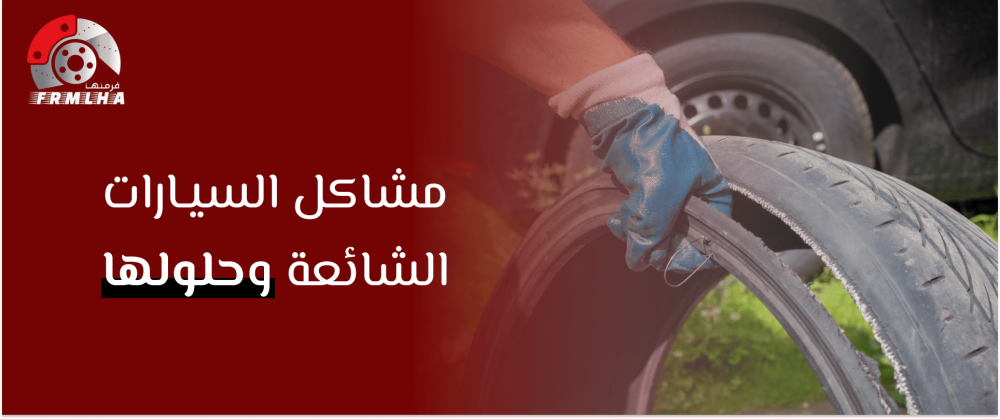
Tires and wheels are vital components of any vehicle, and any malfunction directly affects stability and safety while driving. Tire and wheel problems are among the most common car issues faced by drivers, and include rapid wear, vibrations, and tire blowouts.
- Rapid tire wear: Uneven or rapid tire wear often occurs as a result of incorrect wheel alignment or improper air pressure.
Solution: Regularly check and adjust air pressure, perform tire balancing and wheel alignment to ensure even load distribution.
- Steering wheel vibration while driving: Vibrations at high speeds are often due to tire imbalance or damage to one of the tires or rims.
Solution: Balance the tires at a specialized service center, replace damaged tires, or repair bent rims.
- Tire blowout: A tire blowout is one of the most dangerous and common car problems, especially on highways. It occurs as a result of high pressure, tire wear, or exposure to high temperatures.
Solution: Use tires appropriate for the season and temperature, check tires periodically for any cracks or bulges, and do not exceed the recommended air pressure.
To keep tires and wheels in good condition, tires should be rotated at regular intervals, pressure and wear should be monitored periodically, and high-quality tires suitable for the road and climate should be used.
Electrical system problems:
The electrical system plays a crucial role in the operation of a car and the control of its various functions, such as lighting, starting, and battery charging. Any malfunction in this system is a common car problem that can hinder the car's operation or significantly affect its performance.
Battery damage or weak charging:
One of the most prominent problems with electricity is a weak battery or running out of charge, which leads to difficulty in starting the engine or the failure of electronic systems.
Solution: Check the battery periodically using dedicated devices, clean the electrodes of rust, and ensure the dynamo responsible for charging the battery is in good working order.
Malfunctions in lamps and electronic devices:
The lights stopping or some internal devices malfunctioning is often the result of damaged fuses, wires, or the electronic control unit.
Solution: Replace damaged fuses, repair or change damaged wiring, and check the control unit if a complex fault is found.
Dynamo charging problems:
A faulty alternator leads to the battery not being charged properly, causing the car to stall.
Solution: Check the alternator regularly, replace the brushes or the entire alternator if the fault is major.
To prevent electrical system problems, the battery, alternator, and fuses should be checked periodically, and genuine spare parts should be used to ensure reliable performance.
Cooling and air conditioning system problems:
The cooling and air conditioning system is essential in a car for maintaining the engine temperature within normal limits and ensuring passenger comfort. Any malfunction in these systems is a common car problem that can affect performance and driving safety.
- Weak air conditioning: Drivers sometimes experience weak cooling from their air conditioners due to low refrigerant levels, a clogged air filter, or a faulty compressor. The solution: Recharge the refrigerant at a specialized center, clean or replace the air conditioner filter, and inspect the compressor and pipes for leaks.
- Engine overheating: A faulty radiator or water pump, or a low coolant level, can cause the engine to overheat dangerously. The solution: Regularly check the coolant level, clean or replace the radiator, maintain the water pump, and ensure the cooling fan is functioning efficiently.
- Coolant leak: Leaks are a common problem that causes fluid loss and engine overheating. Solution: Locate the leak in the hoses, radiator, or water pump and repair or replace the damaged parts immediately.
To avoid cooling and air conditioning problems, it is recommended to change the coolant on schedule, clean the system regularly, and check the air conditioner before the summer season to ensure its efficiency.
Exhaust problems and car emissions:
The exhaust system is responsible for venting the gases produced by the combustion of fuel inside the engine, and any malfunction in it is considered one of the common car problems that affect the car's performance and environmental efficiency.
ﻻ
- Abnormal smoke coming out: The appearance of black, blue, or white smoke from the exhaust indicates a problem with fuel combustion, oil leakage into the combustion chamber, or a malfunction in the cooling system.
Solution: Check and clean the fuel injectors, replace damaged gaskets, and service the cooling system or replace damaged parts.
- Loud exhaust noise: Loud or abnormal noises are often caused by holes in the exhaust pipe or damage to the muffler.
Solution: Repair or replace the exhaust pipe and muffler to ensure noise reduction and efficient system operation.
- Increased exhaust emissions: Increased harmful emissions indicate a malfunction in the catalytic converter system or oxygen sensor, which affects fuel consumption and the environment.
Solution: Inspect and replace damaged sensors, clean or replace the catalytic converter to ensure emissions reduction.
To maintain the exhaust system, it is recommended to conduct periodic checks of the pipe, muffler and sensors, use high-quality fuel and not neglect the maintenance of the injection and combustion system.
Preventive maintenance to avoid car problems:
Preventive maintenance is essential for maintaining vehicle performance and avoiding most common car problems . It helps detect faults early and reduces repair costs in the long run.
- Regular engine maintenance: Changing engine oil and filters at the specified intervals, and periodically checking belts, spark plugs, and other components ensures efficient engine operation and prevents sudden breakdowns.
- Brake and tire system inspection: Brake lining thickness and brake fluid level should be monitored regularly, tire pressure adjusted, and tires balanced to prevent rapid wear and tear and ensure vehicle stability on the road.
- Monitoring the electrical and cooling system: Ensure the battery and alternator are in good working order, clean the battery terminals, and monitor the coolant level and fan operation to prevent the engine from overheating.
- Attention to exhaust and air conditioning: Conduct periodic inspections of the exhaust system to detect any leaks or sensor malfunctions, and maintain the air conditioner before the summer season to ensure its optimal performance.
Following a regular maintenance schedule and having the car checked periodically at specialized centers reduces the likelihood of encountering unexpected problems, and maintains safe driving and the life of the vehicle.
Conclusion:
Understanding common car problems, their causes, and solutions empowers drivers to confidently handle breakdowns and avoid potential hazards while driving. Adhering to preventative maintenance and promptly addressing any issues is the best way to maintain vehicle performance and safety. With the continuous evolution of modern automotive systems, understanding these problems becomes a crucial step toward safe and reliable driving.